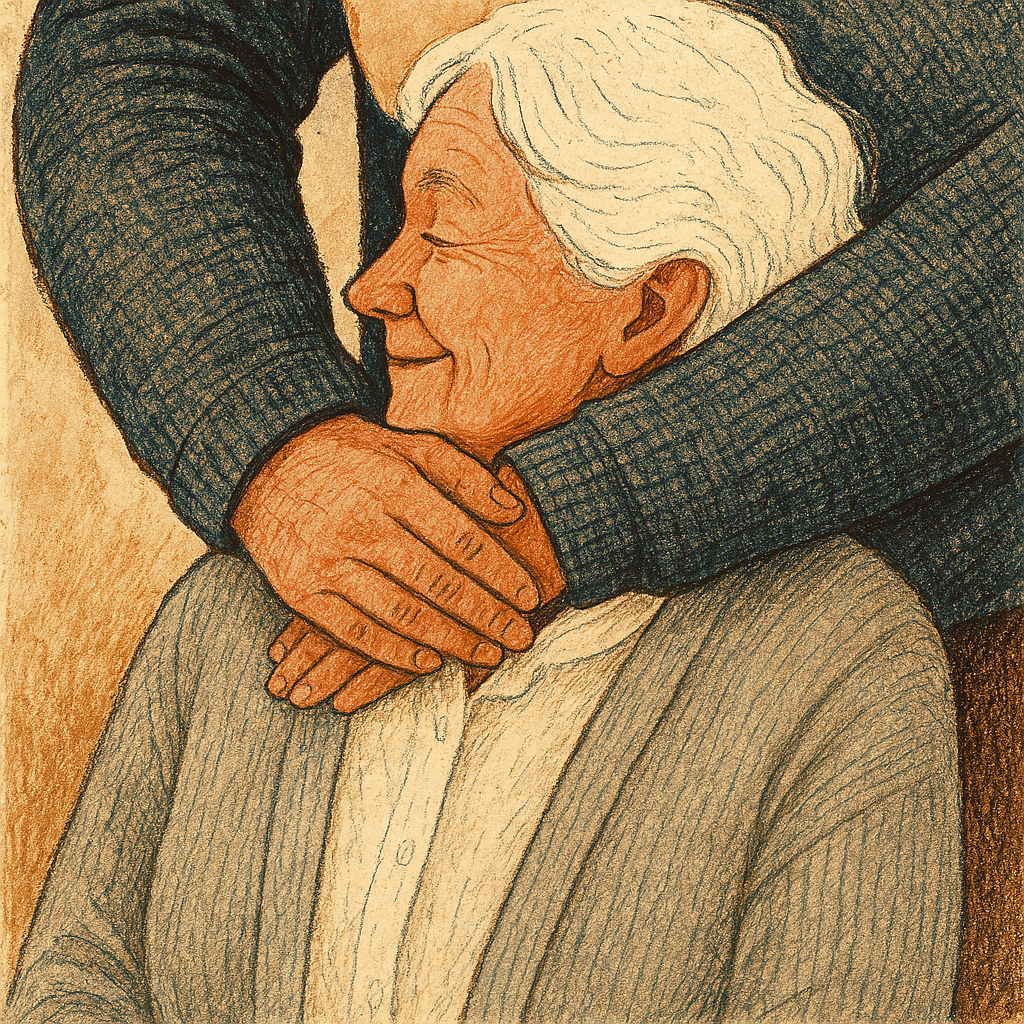
What is Early-Onset Dementia? Signs, Causes and What Families Should Know
Most people associate dementia with advanced age, but it can also affect adults in their 40s, 50s, and, in rare cases, their 30s.
Early-onset dementia is the general term for dementia symptoms that begin before age 65. It is also called younger-onset or young-onset dementia. These terms describe the age when symptoms begin, not one specific disease.
Dementia is a collection of symptoms caused by changes or damage in the brain. It affects thinking, memory, judgment, communication, or behavior enough to interfere with normal daily life.
It is also important to understand the difference between early-onset dementia and early-stage dementia:
- Early onset means symptoms began before age 65.
- Early stage describes a milder stage of dementia, regardless of age.
Early-onset dementia is uncommon compared with dementia that develops later in life. The National Institute on Aging reports that fewer than 10% of people with Alzheimer's disease develop symptoms before age 65.
1. What Are the Early Signs?
There is no single symptom that confirms dementia. The more meaningful warning sign is a pattern of changes that becomes worse or begins interfering with everyday life.
Possible early-onset dementia symptoms include:
- Forgetting recent conversations or important appointments
- Repeating the same questions without realizing it
- Making unusual mistakes at work
- Struggling to plan or complete familiar tasks
- Missing bills or making uncharacteristic financial decisions
- Having trouble finding common words
- Becoming lost in familiar places
- Showing poor judgment or acting impulsively
- Losing interest in usual hobbies or relationships
- Developing noticeable changes in personality or social behavior
- Experiencing new problems with balance, coordination, or movement
Symptoms do not look the same in every person. Alzheimer's disease commonly affects memory, but some forms of dementia first affect language, judgment, movement, personality, or behavior.
Everyone occasionally loses their keys, forgets a name, or makes a mistake during a stressful week. That alone does not suggest dementia. Changes become more concerning when they happen repeatedly, grow more noticeable, and interfere with work, finances, driving, relationships, or self-care.
2. What Causes Early-Onset Dementia?
Early-onset dementia can have several causes.
Alzheimer's disease
Alzheimer's disease is the most common cause of dementia overall and can occur before age 65. Memory loss is common, but younger people may also develop problems with language, visual information, organization, or decision-making.
Frontotemporal dementia
Frontotemporal dementia, often shortened to FTD, affects areas of the brain involved in behavior, personality, judgment, language, and movement. A person may act impulsively, lose empathy, struggle to communicate, or seem emotionally different before obvious memory loss appears.
Because FTD often affects people in middle age, its symptoms may initially be mistaken for depression, relationship problems, or a psychiatric condition.
Vascular dementia
Vascular dementia results from reduced blood flow or damage to blood vessels in the brain. It may follow a major stroke or a series of smaller strokes. Symptoms can include slowed thinking, poor attention, impaired judgment, or difficulty planning.
Lewy body dementia
Lewy body dementia can affect thinking, movement, sleep, mood, and attention. Possible signs include visual hallucinations, major changes in alertness, muscle stiffness, tremors, and sleep disturbances.
Other neurological diseases, brain injuries, infections, heavy alcohol use, medication side effects, sleep disorders, depression, and medical conditions can also cause or worsen cognitive symptoms. Some of these problems may be treatable, which is why a proper evaluation matters.
3. When Should Someone Talk to a Doctor?
Schedule an appointment when changes in memory, thinking, language, movement, or behavior:
- Continue for several weeks or months
- Become more frequent or severe
- Interfere with work or daily responsibilities
- Are noticed by more than one person
- Represent a clear change from the person's usual abilities or personality
Begin with a primary care clinician. The person may then be referred to a neurologist, neuropsychologist, psychiatrist, or memory clinic.
Bring specific examples of concerning changes and a complete list of prescription medications, over-the-counter products, vitamins, and supplements. A trusted family member can also attend the appointment to provide another perspective and take notes.
Sudden confusion is an emergency
Dementia usually develops gradually. Confusion that begins suddenly over several hours or days may be delirium, stroke, infection, a medication reaction, or another urgent medical problem.
Call 911 or seek immediate medical care for sudden confusion, especially when it appears with weakness, trouble speaking, severe headache, fainting, fever, breathing changes, or a recent head injury.
4. How Is Early-Onset Dementia Diagnosed?
There is no single short test that diagnoses every form of dementia. Doctors combine several types of information to understand what is changing and what may be causing it.
An evaluation may include:
- A detailed medical and family history
- A review of medications, sleep, mental health, and alcohol use
- Tests of memory, language, attention, reasoning, and problem-solving
- Physical and neurological examinations
- Blood or other laboratory tests
- Brain imaging such as an MRI or CT scan
- Biomarker testing in selected cases
- Genetic counseling when symptoms begin unusually early or several relatives have a similar condition
Most early-onset dementia is not caused by a single inherited gene. However, rare genetic changes can directly cause early-onset Alzheimer's disease. Families considering testing should begin with a genetic counselor who can explain what the results may mean for the person and their relatives.
5. Can Early-Onset Dementia Be Treated?
Treatment depends on the cause. Progressive brain diseases such as Alzheimer's, frontotemporal dementia, and Lewy body dementia do not currently have a cure. However, treatment and support may help manage symptoms, maintain independence, and improve daily life.
A care plan may include:
- Medication for cognitive, movement, mood, sleep, or behavioral symptoms
- Treatment for other health conditions that may worsen cognition
- Physical, occupational, or speech therapy
- Changes to improve safety at home or work
- Counseling and support groups
- A review of driving and workplace safety
- Legal, financial, and long-term care planning
Some medications are available for certain people in the early clinical stages of Alzheimer's disease. In this context, early stage refers to the severity of the disease, not the person's age. A specialist must determine whether a treatment is appropriate.
6. Helping a Loved One Stay Connected
A diagnosis does not erase the person's abilities, preferences, or place in the family. Support should preserve independence where it is safe while adding help where it is needed.
Families can help by:
- Keeping routines predictable
- Breaking complex tasks into smaller steps
- Using shared calendars and written reminders
- Reducing clutter and background noise
- Attending medical appointments
- Reviewing finances, legal documents, and workplace needs early
- Continuing familiar activities that still bring enjoyment
Regular family connection also matters. Smartphones, social media, and unfamiliar apps may become frustrating as dementia progresses.
A ViewClix Smart Frame gives approved family members a simple way to share familiar photos and connect through video calls. Because the family manages the frame remotely, the person with dementia does not have to navigate complicated menus or remember another password. Auto-answer video calling can further reduce the number of steps needed to see and speak with family.
ViewClix is not a medical treatment or a replacement for professional care. Its role is helping familiar faces and everyday family moments remain easier to reach.
Frequently Asked Questions
At what age is dementia considered early onset?
Dementia is generally considered early onset when symptoms begin before age 65.
Is early-onset dementia the same as early-onset Alzheimer's?
No. Early-onset dementia is a broad category. Alzheimer's is one possible cause, along with frontotemporal, vascular, Lewy body, and other forms of dementia.
Does early-onset dementia always begin with memory loss?
No. Some forms first affect language, judgment, personality, behavior, movement, visual processing, or attention.
Is early-onset dementia always inherited?
No. Most cases are not caused by a single inherited gene. A strong family history of dementia at unusually young ages may lead a doctor to recommend genetic counseling.
Final Thoughts
Early-onset dementia begins before age 65, but age is only part of the story. The first signs may involve memory, or they may appear as changes in work performance, language, judgment, movement, behavior, or personality.
When those changes form a pattern and begin disrupting daily life, they deserve medical attention. An evaluation can rule out other conditions, identify the likely cause, and give the person and family more time to consider treatment, support, finances, legal decisions, and future care.